


Pre-employment drug testing isn’t mandatory in all industries in the US, except for job positions within the US government. However, many employers choose to include these tests in the hiring and selection process due to the risks associated with employing individuals with substance use addiction.
Since pre-employment drug testing laws vary by state, we’ve researched the topic and compiled the most recent pre-employment drug testing laws by state for 2025.
*Note: The information regarding pre-employment drug testing laws and regulations by state has been checked and updated for 2025.
- Pre-employment drug testing involves testing job candidates for certain drugs before they can start working for the employer.
- Employers can refuse to hire job applicants who test positive on a drug test.
- Federal law doesn’t require or prohibit employers from conducting drug tests, except for certain job applications.
- Many states have enacted their own drug testing laws.
- The most common type of pre-employment drug test is the urine drug test.
- Depending on the drug screening, traces of certain drugs can be found for up to 90 days after the last consumption.
What are pre-employment drug testing laws?
Pre-employment drug testing laws govern whether employers may require drug screenings of applicants during the hiring process and how those screenings are conducted.
Federal law doesn’t mandate that employers conduct pre-employment drug screenings. Nonetheless, there are a few exceptions in specific sectors, such as transportation and security.
What’s more, certain states have implemented unique pre-employment drug-testing laws. Therefore, additional regulations for testing procedures can be specified and applied within specific state borders.
As for the testing itself, employers can use several types of screenings in their company’s policy. For instance, for federal employment, employers can only use urine testing, while other types of employment allow different drug testing methods. Depending on which categories of drugs the applicants are tested for, employers can use:
- Urine drug test,
- Saliva drug test,
- Hair drug test, and
- Blood drug test.
🎓 To make sure your workplace is healthy and productive, read our article on the topic of toxic workplaces — 9 Key Signs of a Toxic Work Environment + Best Survival Tips
What are federal drug testing laws?
Federal drug testing laws consist of various requirements and policies designed to:
- Ensure and maintain a drug-free workplace, and
- Allow employers to enact a policy reflecting a drug-free workplace and include it as a factor in the hiring process.
The most important federal act is the Drug-Free Workplace Act of 1988, which applies to federal contractors and grantees. This Act introduced a series of regulations regarding drug testing and established a drug regulation premise in the US workplace.
Apart from this Act, several other laws operate on a federal level, such as:
- Department of Transportation drug testing regulations — establishes rules for alcohol and drug testing of drivers,
- Federal Employee Drug Testing — establishes rules and regulations for drug testing of federal employees,
- Americans with Disabilities Act — prohibits employers from discriminating against job applicants who are recovering substance abusers,
- Occupational Safety and Health Administration — establishes safety workplace protocols, and
- Controlled Substances Act — categorizes all substances into five categories. The placement depends on the substance’s medical use, the potential for abuse, and safety or dependence liability.
Pre-employment drug screenings are mandatory for certain groups of employees, such as:
- Safety-sensitive employees (e.g., bus drivers, truck drivers, pilots, and other workers employed under the Department of Transportation), and
- Federal contractors who work in positions of national security (employed under the Department of Defense).
Now, let’s go over specific pre-employment drug testing laws by state.
🎓 To learn more about federal laws and regulations in the US, visit the page below — Fair Labor Standards Act (FLSA) Regulations
Pre-employment drug testing laws by state
As we mentioned, US federal law covers only specific categories of employees, while state laws and company policies can be more demanding and detailed. That’s why it remains necessary to comply with your state’s rules and regulations regarding pre-employment drug testing.
Another important reason to stay well-informed is that the status of illegal drugs changes constantly, further determining what’s considered a prohibited substance. To provide an example, think of cannabis usage — as of January 2024, medical marijuana has been legalized in 38 states.
To clarify the matter even further, let’s move on to the table below that contains all the information you need regarding pre-employment drug testing laws in US states.
*Note: Pre-employment drug testing is voluntary, meaning employers can choose to test their job applicants and receive certain workers’ compensation discounts. However, employers are not required to participate in drug-free workplace programs.
| State | Pre-employment drug testing law? | Covered employers | Applicant testing regulations | Refusal grounds for a positive test | Marijuana legalization status |
|---|---|---|---|---|---|
| Alabama | Sim | All employers. | Testing is allowed after the applicant receives a conditional job offer and a drug testing notice from the employer. | A positive test or refusal of drug testing can be grounds for not hiring. | Medical use is legal. |
| Alaska | Sim | All employers, including school districts and any educational attendance areas. | Allowed when the job applicant receives a written notice for the drug testing at least 30 days in advance. | A positive test or refusal of drug testing can be grounds for not hiring. | Medical and recreational use is legal. |
| Arizona | Sim | All employers. | Allowed when the job applicant receives a written notice for the drug testing. | A positive test or refusal of drug testing can be grounds for not hiring. | Medical and recreational use is legal. |
| Arkansas | Sim | All employers. | Testing is allowed after the applicant receives a conditional job offer and a drug testing notice from the employer. | A positive test or refusal of drug testing can be grounds for not hiring. | Medical use is legal. |
| California | Sim | All employers. However, it’s prohibited to discriminate against employees for off-site or off-job cannabis use. | Testing is allowed as a condition for employment. However, employers must test all job applicants. | A positive test or refusal of drug testing can be grounds for not hiring. | Medical and recreational use is legal. |
| Colorado | No | No state laws; federal rules apply. Employers are not required or prohibited to conduct pre-employment drug tests. | No state laws; federal rules apply. Employers are not required or prohibited to conduct pre-employment drug tests. | No state laws; federal rules apply. Employers are not required or prohibited to conduct pre-employment drug tests. | Medical and recreational use is legal. |
| Connecticut | Sim | Applies to private employers. All state employees except drivers are exempt from drug testing laws. | Allowed when the job applicant receives a written notice of the drug testing. Applicants who fail the test must be given a copy of the test results. | A positive test or refusal of drug testing can be grounds for not hiring. | Medical and recreational use is legal. |
| Delaware | No | No general rules for public agencies. However, employees working in security-sensitive positions under the Department of Correction must be drug tested. | Before conducting a drug test, employers should inform the employees about the drug test. | A positive test or refusal of drug testing can be grounds for not hiring. | Medical and recreational use is legal. |
| District of Columbia | Sim | All employers. | Employers can only test job applicants for marijuana use after they’ve given them a job offer. However, other types of drug tests can also be carried out during the interview stage. | A positive test or refusal of drug testing can be grounds for not hiring. | Medical and recreational use is legal. |
| Florida | Sim | All employers. | Testing is allowed after the applicant receives a conditional job offer and a drug testing notice from the employer.The drug testing notice must also be included in the job advertisement. | A positive test or refusal of drug testing can be grounds for not hiring. | Medical use is legal. |
| Georgia | Sim | All employers. | Testing is required after the applicant receives a conditional job offer. Employers are allowed to test only applicants who are applying for higher-risk positions. A drug testing notice must also be included in the job advertisement. | A positive test or refusal of drug testing can be grounds for not hiring. Applicants who use drugs for medicinal reasons cannot be discriminated against. | Medical and recreational use is illegal. Only low-THC products (e.g., CBD oil) are allowed. |
| Hawaii | Sim | All employers. | Testing is allowed after the applicant receives a conditional job offer and a drug testing notice from the employer. | A positive test or refusal of drug testing can be grounds for not hiring. | Medical use is legal. |
| Idaho | Sim | Applies to private and public sector employers. | There are no strict rules at which stage of the hiring process employers can conduct drug tests. However, employers must clearly outline the procedure in their drug testing policy | A positive test or refusal of drug testing can be grounds for not hiring. | Medical and recreational use is illegal. |
| Illinois | Sim | All employers. | Employers can conduct drug testing at any time during the hiring process. | A positive test or refusal of drug testing can be grounds for not hiring. However, employers cannot take adverse action against job applicants based only on a positive test for cannabis. | Medical and recreational use is legal. |
| Indiana | No | No state laws; federal rules apply. Employers are not required or prohibited to conduct pre-employment drug tests. | No state laws; federal rules apply. Employers are not required or prohibited to conduct pre-employment drug tests. | A positive test or refusal of drug testing can be grounds for not hiring. | Medical and recreational use is illegal. Only low-THC products (e.g., CBD oil) are allowed. |
| Iowa | Sim | Public and private employers. | Employers can conduct drug testing, but they must make the drug testing policy available for review by the job applicant. | A positive test or refusal of drug testing can be grounds for not hiring. | Medical and recreational use is illegal. |
| Kansas | Sim | Private employers and certain public sector employers (e.g., security-sensitive positions). | Testing is allowed after the applicant receives a conditional job offer. | A positive test or refusal of drug testing can be grounds for not hiring. | Medical and recreational use is illegal. Only zero-THC products (e.g., CBD oil) are allowed. |
| Kentucky | Sim | Private and public employers. | Testing is allowed after the applicant receives a conditional job offer. | A positive test or refusal of drug testing can be grounds for not hiring. | Medical use is legal. |
| Louisiana | Sim | All employers. | Employers who perform drug screenings must use specialized laboratories and procedures if they want to base their hiring decisions on those tests. | A positive test or refusal of drug testing can be grounds for not hiring. | Medical use is legal. |
| Maine | Sim | All employers. | Employers can conduct drug tests during the hiring process, but they must inform all applicants of the test requirements.Also, employers must get signed consent from the employee before testing. | A positive test or refusal of drug testing can be grounds for not hiring. | Medical and recreational use is legal. |
| Maryland | Sim | All employers. | Employers can perform drug tests at any stage of the hiring process. However, employers must be registered under the Maryland Office of Health Care Quality to perform any testing on job applicants. | A positive test or refusal of drug testing can be grounds for not hiring. | Medical and recreational use is legal. |
| Massachusetts | No | No state laws; federal rules apply. Employers are not required or prohibited to conduct pre-employment drug tests. | No state laws; federal rules apply. Employers are not required or prohibited to conduct pre-employment drug tests. | No state laws; federal rules apply. Employers are not required or prohibited to conduct pre-employment drug tests. | Medical and recreational use is legal. |
| Michigan | No | No state laws; federal rules apply. Employers are not required or prohibited to conduct pre-employment drug tests. | No state laws; federal rules apply. Employers are not required or prohibited to conduct pre-employment drug tests. | No state laws; federal rules apply. Employers are not required or prohibited to conduct pre-employment drug tests. | Medical and recreational use is legal. |
| Minnesota | Sim | Public and private employers. | Testing is allowed after the applicant receives a conditional job offer and a drug testing notice from the employer. | A positive test or refusal of drug testing can be grounds for not hiring. | Medical and recreational use is legal. |
| Mississippi | Sim | Public and private employers. | Allowed when the job applicant receives a written notice for the drug testing. | A positive test or refusal of drug testing can be grounds for not hiring. | Medical use is legal. |
| Missouri | No | No state laws; federal rules apply. Employers are not required or prohibited to conduct pre-employment drug tests. | No state laws; federal rules apply. Employers are not required or prohibited to conduct pre-employment drug tests. | No state laws; federal rules apply. Employers are not required or prohibited to conduct pre-employment drug tests. | Medical and recreational use is legal. |
| Montana | Sim | Public and private employers. | Applicants can be tested during the hiring process before getting a job offer. | A positive test or refusal of drug testing can be grounds for not hiring. | Medical and recreational use is legal. |
| Nebraska | No | No state laws; federal rules apply. Employers are not required or prohibited to conduct pre-employment drug tests. | No state laws; federal rules apply. Employers are not required or prohibited to conduct pre-employment drug tests. | No state laws; federal rules apply. Employers are not required or prohibited to conduct pre-employment drug tests. | Medical and recreational use is illegal. |
| Nevada | Sim | State agencies. | Employers must outline the drug testing procedure in their drug testing policy. Employers cannot refuse to hire a potential employee due to a failed drug test for marijuana. | A positive test or refusal of drug testing can be grounds for not hiring. | Medical and recreational use is legal. |
| New Hampshire | No | No state laws; federal rules apply. Employers are not required or prohibited to conduct pre-employment drug tests. | No state laws; federal rules apply. Employers are not required or prohibited to conduct pre-employment drug tests. | No state laws; federal rules apply. Employers are not required or prohibited to conduct pre-employment drug tests. | Medical use is legal. |
| New Jersey | Sim | All employers. | Employers who conduct drug tests must notify job applicants in advance and give them room for explanation if the test returns positive. | A positive test or refusal of drug testing can be grounds for not hiring. | Medical and recreational use is legal. |
| New Mexico | No | No state laws; federal rules apply. Employers are not required or prohibited to conduct pre-employment drug tests. | Employers are free to drug test employees during the hiring process. If the company policy requires drug tests for applicants, they must submit the results before the final round of interviews. | A positive test or refusal of drug testing can be grounds for not hiring. | Medical and recreational use is legal. |
| New York | No | No state laws; federal rules apply. Employers are not required or prohibited to conduct pre-employment drug tests. | Certain groups of employees (e.g., safety-sensitive positions and drivers) must be tested before employment.As for marijuana testing, the state of New York banned this type of pre-employment screening. | A positive test or refusal of drug testing can be grounds for not hiring. | Medical and recreational use is legal. |
| North Carolina | Sim | Public and private employers. | Employers can conduct pre-employment drug screenings at any time during the hiring process. | A positive test or refusal of drug testing can be grounds for not hiring. | Medical and recreational use is illegal. |
| North Dakota | No | No state laws; federal rules apply. Employers are not required or prohibited to conduct pre-employment drug tests. | No state laws; federal rules apply. Employers are not required or prohibited to conduct pre-employment drug tests. | No state laws; federal rules apply. Employers are not required or prohibited to conduct pre-employment drug tests. | Medical use is legal. |
| Ohio | Sim | All employers. | Testing is allowed after the applicant receives a conditional job offer. | A positive test or refusal of drug testing can be grounds for not hiring. | Medical and recreational use is legal. |
| Oklahoma | Sim | Public and private employers | Testing is allowed after the applicant receives a conditional job offer and a written drug testing notice from the employer. | A positive test or refusal of drug testing can be grounds for not hiring. | Medical use is legal. |
| Oregon | Sim | All employers. | There are no specific rules, but tests are required for applicants in safety-sensitive industries or businesses (e.g., school bus drivers). | A positive test or refusal of drug testing can be grounds for not hiring. | Medical and recreational use is legal. |
| Pennsylvania | No | No state laws; federal rules apply. Employers are not required or prohibited to conduct pre-employment drug tests. | Employers can drug test employees during the hiring process. | A positive test or refusal of drug testing can be grounds for not hiring. | Medical use is legal. |
| Rhode Island | Sim | Public and private employers | Testing is allowed in private, without the presence of any other person, once the applicant receives a conditional job offer. Testing is allowed in the public sector for safety-sensitive jobs and when it’s required by federal law. | A positive test or refusal of drug testing can be grounds for not hiring. | Medical and recreational use is legal. |
| South Carolina | Sim | Public and private employers. | Employers can conduct drug testing during the hiring process, but they must provide guidelines to applicants. The guidelines must outline drug testing procedures and consequences for failing the test. | A positive test or refusal of drug testing can be grounds for not hiring. | Medical and recreational use is illegal. |
| South Dakota | Sim | State government employers. | Allowed for applicants to safety-sensitive positions upon the conditional job offer. All job advertisements must include notice of drug testing requirements. | A positive test or refusal of drug testing can be grounds for not hiring. | Medical use is legal. |
| Tennessee | Sim | State government employers. | Covered employers must test job applicants in safety-sensitive positions (e.g., school bus drivers) after extending a conditional job offer. Also, employers must include a drug testing notice in their job advertisements. | A positive test or refusal of drug testing can be grounds for not hiring. | Medical and recreational use is illegal. |
| Texas | No | No state laws; federal rules apply. Employers are not required or prohibited to conduct pre-employment drug tests. | No state laws; federal rules apply. Employers are not required or prohibited to conduct pre-employment drug tests. | No state laws; federal rules apply. Employers are not required or prohibited to conduct pre-employment drug tests. | Medical and recreational use is illegal. |
| Utah | Sim | Local government entities, private employers, and state institutions of higher education. | Employers are allowed to drug test job applicants as long as managers and employers also submit to periodical drug testing. | A positive test or refusal of drug testing can be grounds for not hiring. | Medical use is legal. |
| Vermont | Sim | Public and private employers. | Employers are allowed to conduct pre-employment drug testing only if they give a conditional job offer to the applicant. Also, they must notify the applicant of the testing procedure in written form. | A positive test or refusal of drug testing can be grounds for not hiring. | Medical and recreational use is legal. |
| Virginia | No | No state laws; federal rules apply. Employers are not required or prohibited to conduct pre-employment drug tests. | No state laws; federal rules apply. Employers are not required or prohibited to conduct pre-employment drug tests. | A positive test or refusal of drug testing can be grounds for not hiring. However, employers cannot discriminate against job applicants for the use of cannabis oil if they have a valid written certification issued by the health practitioner. | Medical and recreational use is legal. |
| Washington | Sim | Private employers who want to qualify for a 5% workers’ compensation and premium discount if approved by state authorities. | Employers can conduct drug testing when an applicant receives an advance notice and a conditional job offer. | A positive test or refusal of drug testing can be grounds for not hiring. However, according to ESSB 5123, employers cannot discriminate against job applicants for the use of cannabis oil if they have a valid written certification issued by a health practitioner. | Medical and recreational use is legal. |
| West Virginia | Sim | All employers. | Employers can conduct drug tests as long as they have the procedures outlined in their drug testing policies and don’t violate state law. Applicants must also be notified that a drug test is required as a condition of employment. | A positive test or refusal of drug testing can be grounds for not hiring. | Medical use is legal. |
| Wisconsin | No | No state laws; federal rules apply. Employers are not required or prohibited to conduct pre-employment drug tests. | No state laws; federal rules apply. Employers are not required or prohibited to conduct pre-employment drug tests. | A positive test or refusal of drug testing can be grounds for not hiring. | Medical and recreational use is illegal. |
| Wyoming | No | No state laws; federal rules apply. Employers are not required or prohibited to conduct pre-employment drug tests. | No state laws; federal rules apply. Employers are not required or prohibited to conduct pre-employment drug tests. | A positive test or refusal of drug testing can be grounds for not hiring. | Medical and recreational use is illegal. |
🎓 Interested in other aspects of legal and regulatory compliance in your state? Select your state from the list and read the comprehensive labor laws guide — State Labor Laws Guides
Frequently asked questions about pre-employment drug testing laws
As the table above clearly shows, pre-employment drug testing laws vary from state to state and can be quite specific — so it’s vital to check the laws regularly for updates.
In the next section, we’ll provide answers to the most frequently asked questions about pre-employment drug testing to help you stay up to date.
Can you be drug tested at an interview?
Although it’s highly unlikely that a job candidate would be tested during an interview, employers can conduct drug tests on-site if specified in advance and if all the safety conditions are fulfilled.
However, they would need to provide specific conditions and invite experts from the lab, so it’s usually more common to do the tests in the actual labs.
Drug testing is often required on the same day as the interview (and possibly the conditional job offer).
How long does pre-employment drug screening take?
The duration of the drug screening depends on several important factors, starting with the type of test being conducted. Here are the most common types of pre-employment drug tests that employers can choose from:
- Urine drug test — This is one of the most common types of drug tests for pre-employment screening. Providing a urine sample takes a few minutes, but the overall time for the drug screening can vary depending on the lab’s workload and the number of samples it needs to process. Employers can expect to receive the results within a few days, usually up to 2 business days.
- Saliva drug test — Although saliva drug tests are less common for pre-employment screening, they are faster to administer than urine tests. The results are also usually available within a few days.
- Hair drug test — This type of test is less common for pre-employment screening due to its higher cost and longer detection window. Collecting the hair sample is quick, but the analysis can take longer. Hair tests can detect drug use from several months ago, and the results may take a week or more to come back.
- Blood drug test — Blood tests are relatively rare for pre-employment screening due to their invasiveness and high cost. They provide real-time information, but processing the results may take a few days.
Apart from the average drug testing method turnaround time, some other factors that may extend the process include:
- Sample travel time to the lab (if applicable),
- Anything related to the necessary paperwork, and
- The testing facility’s capacity and workload at the moment.
So, overall, provided that employers take care of the paperwork and notify a specific testing facility in advance, the critical factor is the type of test being administered.
What is the pre-employment drug testing time frame?
This time frame refers to the period during which an employer requires prospective employees to undergo drug testing as part of the hiring process. The pre-employment drug testing can vary depending on the specific policy on how the test is being conducted.
Candidates must adhere to the specified time frames for drug testing, or it may lead to the withdrawal of the job offer.
In general practice, apart from waiting for the results, pre-employment drug testing is usually within a few days of the initial interview.
What is the most common drug test for employment?
The urine drug test is the most common method for pre-employment drug testing. It’s not invasive, and the results can be known within 24 hours.
How do you fight a failed DOT drug test?
When it comes to the Department of Transportation (DOT), positive drug test results can have serious consequences, such as immediate removal from a safety-sensitive function and even permanent disqualification.
If you believe there has been an error or have valid reasons to contest the results, you can take certain steps to fight a failed DOT drug test:
- Request a re-test — Some employers and testing programs allow you to request a re-test if you believe there was an error in the initial test. That procedure may involve analyzing the already provided sample for the second time or conducting a new drug test with a new sample.
- Review the chain of custody — Any discrepancies in maintaining and documenting your samples can be grounds for challenging the test results. You’ll need to file an official complaint with your employer, and the employer must do the same with the testing facility. The rest of the process is done internally by the facility’s officials in charge.
- Confirm prescription medication — If you’re taking prescription medications, gather evidence to prove your valid prescription. Also, make sure to inform the Medical Review Officer (MRO) of any prescription drugs you are taking at that moment.
- Speak with the Medical Review Officer (MRO) — If you believe there might be an error, you can discuss the situation with the MRO to present any evidence or information that may clarify the results.
- Challenge the testing methodology — The testing methodology or equipment used may have flaws or limitations, so you can inquire whether it could have led to a false positive result.
- Seek legal advice — If you believe the failed drug test could unfairly jeopardize your career, you may want to seek legal advice from an employment attorney.
What is reasonable suspicion drug testing?
Reasonable suspicion drug testing, also known as “for-cause” or “probable cause” drug testing, is a type of drug screening conducted in the workplace when there’s a reasonable belief or suspicion that an employee is using drugs or might be under the influence of drugs while on the job.
This suspicion is typically based on specific and observable factors, behaviors, or circumstances that lead supervisors or managers to believe that the employee’s performance or conduct may be impaired due to drug use.
For instance, employees may show physical signs like shakes, tremors, or slurred speech. Also, employees can showcase behavioral signs like a decline in performance, tardiness, and acting withdrawn.
Reasonable suspicion drug testing is essential for employers to maintain a safe and drug-free workplace. It’s conducted in compliance with relevant employment laws and regulations and protects employees and others from potential safety risks associated with drug abuse.
What is post-accident drug testing?
Post-accident drug testing is a mandatory type of drug test administered after an employee is involved in a workplace accident (e.g., a driver crashes the company’s vehicle). Promptly reporting and examining the reasons for such incidents is vital, as the scope of negative consequences goes from property damage to injuries or even fatalities.
These types of drug tests are meant to determine whether the employee in question was under the influence at the time of the accident.
What is random drug testing in the workplace?
Random drug testing in the workplace refers to an internal company policy that allows employers to subject employees to drug testing at unpredictable intervals.
There’s no universal one-size-fits-all policy — random drug tests are mandatory only for specific federal positions, while the rest of employers may or may not include it in their company policy.
Unlike pre-employment or post-accident drug testing, which is conducted under specific circumstances, random drug testing is done without prior notice or specific reason.
The procedure is as follows — employees are selected randomly from a pool of eligible individuals and are required to undergo drug testing on the spot or within a short notice period.
What jobs have federal drug testing regulations?
Federal regulations apply to several job categories in the US. These regulations aim to ensure safety and security in specific industries and positions and minimize potential damage to individuals or the public.
Here’s the list of jobs that are obligatorily subject to federal pre-employment drug testing regulation:
- Department of Transportation (DOT) jobs — Employees in safety-sensitive positions within the transportation industry (e.g., truck or bus drivers, pilots, railroad workers) are subject to drug and alcohol testing regulations enforced by the DOT,
- Federal Aviation Administration (FAA) jobs — Employees in safety-sensitive roles within the aviation industry (e.g., pilots, air traffic controllers, aircraft maintenance personnel) are subject to drug and alcohol testing under FAA regulations,
- Federal Railroad Administration (FRA) jobs — Workers in safety-sensitive positions in the railroad industry, including train crews, engineers, and signallers, are subject to drug and alcohol testing according to FRA regulations,
- Pipeline and Hazardous Materials Safety Administration (PHMSA) jobs — Employees involved in the transportation of hazardous materials via pipelines or other means may be subject to drug and alcohol testing under PHMSA regulations.
- Federal Transit Administration (FTA) jobs — Safety-sensitive employees in the public transportation industry (e.g., bus drivers and other transit workers) are subject to drug and alcohol testing according to FTA regulations,
- Nuclear Regulatory Commission (NRC) jobs — Employees in safety-sensitive positions at nuclear power plants and related facilities are subject to drug and alcohol testing under NRC regulations, and
- Department of Defense (DoD) jobs — Military personnel and civilian employees in safety-sensitive roles within the Department of Defense may be subject to drug testing.
These are some of the federal agencies with established drug testing regulations, but there may be other requirements. Also, private employers can have specific drug testing policies, even if they are not subject to federal regulations.
What is a 12-panel pre-employment drug test?
A 12-panel drug test is one of the most common drug tests available. This type of testing can be conducted by taking a sample of the applicant’s blood, urine, hair, or saliva. The test usually detects traces of the following drugs:
- Cocaine,
- Marijuana,
- PCP,
- Amphetamines,
- Opiates,
- Benzodiazepines,
- Barbiturates,
- Methadone,
- Propoxyphene,
- Ecstasy/MDA, and
- Oxycodone/Percocet.
How long does it take for a drug to be cleared from the body?
This depends on the type of drug and the type of test that’s used. Drugs can be found in urine for 3 to 7 days, while they can be found in hair for up to 90 days. Here’s a table to illustrate how long certain drugs can stay in your body.
| Drug type | Urine test | Blood test | Hair test |
|---|---|---|---|
| Marijuana | Usually 3 to 7 days, but it can stay up to 30 days for heavy users. | Up to 12 hours. | Up to 90 days. |
| Cocaine | Up to 3 days, but it can stay longer for users who use it constantly. | Up to 48 hours. | Up to 90 days. |
| Heroin | Usually 1 to 4 days, but it can stay longer for users who use it constantly. | Up to a few hours after the last consumption. | Up to 90 days. |
| Methadone | Up to 7 days. | 2 to 3 days. | Up to 90 days. |
| Amphetamines | 1 to 3 days. | Around 12 hours. | 90 to 180 days. |
| Percocet | 3 to 4 days. | Up to 24 hours. | Up to 90 days. |
Track employee work hours and improve productivity with Clockify by CAKE.com
Tracking work hours is one of the easiest ways to improve productivity and decrease employee procrastination.
However, to have a successful time tracking system, you’ll need tested and reliable software — like Clockify!
With its plethora of features, Clockify by CAKE.com has everything you need from a time tracking tool and much more.
Its robust time tracker feature allows your employees to track work hours by using:
- Timer mode,
- Timesheet view, and
- Manual mode.
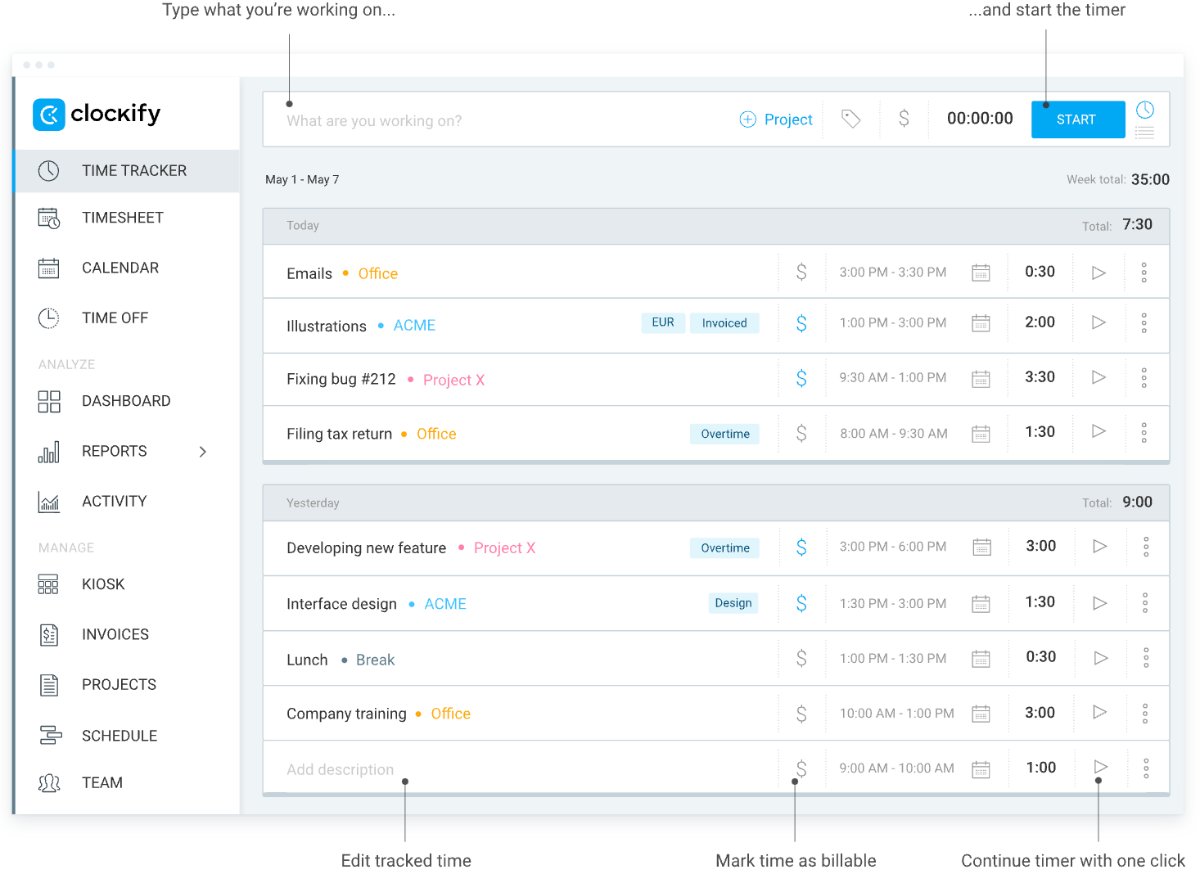
What’s more, Clockify comes with free 24/7 customer support available to handle all your problems. Also, paid membership includes a tailored onboarding plan and a dedicated success representative to help you set up Clockify for your business.
What are you waiting for? Start tracking time with Clockify by CAKE.com!
Experimente o Clockify hoje mesmo
Conclusão/Aviso legal
We hope that our thorough by-state guide helped you get familiar with all the relevant information about pre-employment drug testing laws in the United States. You can get more data on pre-employment drug testing laws for each state by following the official links we either:
- Provided as sources and linked in the article, or
- Used as sources in the State Labor Laws guides linked earlier in this guide.
However, bear in mind — this pre-employment drug testing laws guide was checked and updated in Q1 of 2025. Thus, it may not include changes introduced after it was published.
We strongly advise you to consult the appropriate institutions and/or certified representatives before taking any legal action.
Clockify isn’t responsible for any losses or risks incurred should this guide be used without legal guidance.
Como avaliamos esta publicação: Nossos redatores e editores monitoram as publicações e as atualizam quando novas informações são disponibilizadas para mantê-las atualizadas e relevantes.