


Searching for a job with a criminal record is frequently discouraging, especially if the initial screening includes a background check.
For that reason, many US states, cities, and counties have taken steps to eliminate these employment barriers by introducing the ‘ban the box’ law.
By banning the box, all candidates are considered equal and are judged by their skills, interview performance, and impressions without prejudice that arises from past mistakes.
In this guide, you will learn more about:
- The ‘ban the box’ law,
- The cities, counties, and states with ‘ban the box’ laws,
- The first state to introduce the ‘ban the box’ movement,
- The advantages and disadvantages of the ‘ban the box’ laws, and
- The states with ‘ban the box’ laws using 10-year background checks.
*Note: The information regarding ‘ban the box’ laws and regulations by state has been checked and updated for 2025.
- ‘Ban the box’ laws are implemented to protect candidates with criminal histories and ensure fair hiring practices without prejudice or bias.
- 27 US states have adopted state ‘ban the box’ laws, and 11 US states rely on state-wide policies to protect ex-offenders during job applications.
- In addition to the federal sector, ‘ban the box’ laws protect employees in various US states and localities.
- ‘Ban the box’ laws further improve the selection process by helping employers pick the most qualified candidate for the job, regardless of their history.
What are ‘ban the box’ laws?
‘Ban the box’ law prohibits employers from asking questions about criminal convictions and arrests on the initial job application or advertisement.
On a federal level, US employees and respective applicants are protected in various ways through the US Equal Employment Opportunity Commission (EEOC). This federal law makes it illegal to discriminate against workers due to matters such as:
- Race,
- Age,
- Skin color,
- Sex,
- Gender,
- Disability,
- National origin, and
- Genetic information.
To offer additional protection to employees and applicants, the US government enacted The Fair Chance to Compete for Jobs Act of 2019 (FCA) which became effective on December 20, 2021. This law prohibits federal employers from determining whether a job applicant is suitable for a certain job position based on their criminal history before a conditional job offer has been made.
In doing so, job applicants who have formerly been incarcerated or convicted are given a chance to compete without prejudice or bias. This applies not only to applicants trying to get a job in the federal sector but also to other candidates applying for public jobs.
Furthermore, many US cities, counties, and states with ‘ban the box’ laws have introduced laws and policies that further protect private and public-sector candidates.
Let’s examine the details and find out which US states, cities, and counties have introduced the ‘ban the box’ legislation.

‘Ban the box’ state laws
As you can see from the table below, 27 US states have introduced the ‘ban the box’ law. Yet, even though all 27 states ban public-sector employers from inquiring into candidates’ criminal history, only 16 ‘ban the box’ states enact laws that regulate the private sector, too.
Also, the prohibitions do not refer to candidates applying to sensitive positions — such as childcare, healthcare, public safety, etc. — whose background may still be subject to screening early in the application process.
More information is in the table below:
Table 1.
✅ — ‘ban the box’ state laws are enacted and in effect
❌ — no ‘ban the box’ state laws exist
| State | Public-sector employers | Private-sector employers | Vendors/Contractors | When employers may ask about criminal history | Date of effect |
|---|---|---|---|---|---|
| California | ✅ | ✅ | ✅ | After a conditional job offer has been made. Applies to both private and public employers with at least 5 employees. | January 1, 2018 |
| Colorado | ✅ | ✅ | ✅ | At any time after the initial job application. Applies to all employers. | September 1, 2021 |
| Connecticut | ✅ | ✅ | ✅ | At any time after the initial job application. | January 1, 2017 |
| Delaware | ✅ | ❌ | ❌ | After a conditional job offer has been made. | May 8, 2014 |
| District of Columbia | ✅ | ✅ | ✅ | After a conditional job offer has been made. Applies to all employers with 11 or more employees (federal employers are excluded). | December 17, 2014 |
| Hawaii | ✅ | ✅ | ✅ | After a conditional job offer has been made. | July 15, 1998 |
| Illinois | ✅ | ✅ | ✅ | After the job applicant has been selected for an interview or after a conditional job offer has been made. | January 1, 2015 |
| Louisiana | ✅ | ❌ | ❌ | An employer cannot consider criminal offenses during a background check. Based on the law’s provisions, the employer will assess whether the applicant’s criminal background affects the job duties. | June 10, 2021 |
| Maine | ✅ | ✅ | ✅ | For state government jobs, asking questions about criminal history on applications is prohibited. For private-sector jobs, after the initial interview or once the job applicant has been determined qualified for the position. | October 18, 2021 |
| Maryland | ✅ | ✅ | ✅ | During the first face-to-face interview and after that point. Applies to all employers (public and private) with 15 or more full-time employees working in the state of Maryland. | February 29, 2020 |
| Massachusetts | ✅ | ✅ | ✅ | After the initial job interview (not before the initial written application). | October 13, 2018 |
| Minnesota | ✅ | ✅ | ✅ | During the job interview or once a conditional job offer has been made. | January 1, 2014 |
| Nebraska | ✅ | ❌ | ❌ | After the employer has determined the job applicant meets the minimum job requirements. | April 17, 2014 |
| Nevada | ✅ | ❌ | ❌ | After the final in-person interview, once a conditional job offer has been made, or if applicable, once the applicant has been certified by the administrator. | January 1, 2018 |
| New Hampshire | ✅ | ❌ | ❌ | During or after the initial job interview. | April 18, 2019 |
| New Jersey | ✅ | ✅ | ✅ | After the employer has conducted the interview, the applicant has been determined to be qualified and selected as a finalist in the hiring process. Applies to all employers with at least 15 employees. | March 1, 2015 |
| New Mexico | ✅ | ✅ | ✅ | After reviewing the application and discussing potential employment with the applicant. Applies to private employers with 4 or more employees. | June 14, 2019 |
| North Dakota | ✅ | ❌ | ❌ | After the job applicant has been selected for an interview. | August 1, 2019 |
| Ohio | ✅ | ❌ | ❌ | Questions related to the job applicant’s criminal history have been removed from initial job application forms. | March 23, 2016 |
| Oregon | ✅ | ✅ | ✅ | After the initial job interview. Applies only to public-sector employers employing for non-civil service positions under the governor’s jurisdiction. | January 1, 2016 |
| Rhode Island | ✅ | ✅ | ✅ | After the initial job interview. Applies to all public-sector employers and all private-sector employers with at least 4 employees. | January 1, 2014 |
| Tennessee | ✅ | ❌ | ❌ | Questions related to the job applicant’s criminal history have been removed from initial job application forms. | April 14, 2016 |
| Utah | ✅ | ❌ | ❌ | After the initial job interview or if no interview is conducted, once a conditional job offer has been made. | May 8, 2017 |
| Vermont | ✅ | ✅ | ✅ | During the initial interview or once the employer has determined that the job applicant is qualified for the position. | July 1, 2017 |
| Virginia | ✅ | ❌ | ✅ | After the initial job interview. Applies to public-sector employers in the state’s executive branch. | March 23, 2020 |
| Washington | ✅ | ✅ | ✅ | After a conditional job offer has been made. | June 7, 2018 |
| Wisconsin | ✅ | ❌ | ❌ | After the employer has determined that a job applicant is certified for the position. | July 1, 2016 |
‘Ban the box’ state policies
In addition to state laws, some employers are further obligated by state rules not to inquire about candidates’ criminal history during the application process. Such rules are represented by policies adopted by 11 US ‘ban the box’ states.
However, it’s important to remember that candidates applying to sensitive positions may still be subject to a background check early in the application process.
Let’s look at each state’s ‘ban the box’ policy more closely.
Table 2.
✅ — ‘ban the box’ state laws are enacted and in effect
❌ — no ‘ban the box’ state laws exist
| State | Public-sector employers | Private-sector employers | Vendors/Contractors | When employers may ask about criminal history | Date of effect |
|---|---|---|---|---|---|
| Arizona | ✅ | ❌ | ❌ | After the submission of a job application and the initial interview. Applies to public sector employers in the state’s executive branch. | November 6, 2017 |
| Georgia | ✅ | ❌ | ❌ | After the initial stage of the public-sector application process. | February 23, 2015 |
| Indiana | ✅ | ❌ | ❌ | At a later point in the application and hiring process. Applies only to public-sector positions in the state’s executive branch. | July 1, 2017 |
| Kansas | ✅ | ❌ | ❌ | After the initial stage of job application. Applies only to public-sector employers in the state’s executive branch. | May 2, 2018 |
| Kentucky | ✅ | ❌ | ❌ | After the job applicant has been selected for an interview. Applies only to public-sector employers in the state’s executive branch. | February 1, 2017 |
| Michigan | ✅ | ❌ | ❌ | Any time during the hiring process. | October 1, 2018 |
| Missouri | ✅ | ❌ | ❌ | After a conditional job offer has been made. Applies to public-sector employers with at least 6 employees. | April 11, 2016 |
| New York | ✅ | ✅ | ❌ | Once the state agency has interviewed the job applicant and is interested in hiring them. Private employers must consider several factors during the job interview, including whether the job description relates to the applicant’s rehabilitation or ability to work. | September 21, 2015 |
| North Carolina | ✅ | ❌ | ❌ | After the conditional offer of employment to the applicant has been made. | April 1, 2021 |
| Oklahoma | ✅ | ❌ | ❌ | Questions related to the job applicant’s criminal history have been removed from initial job application forms. | February 24, 2016 |
| Pennsylvania | ✅ | ❌ | ❌ | Questions related to the job applicant’s criminal history have been removed from initial job application forms. | July 1, 2017 |
‘Ban the box’ county policies
60 US counties have passed ‘ban the box’ policies prohibiting employers from criminal record screening until a certain point in the hiring process.
However, bear in mind that candidates applying for high-profile positions and sensitive jobs might be subjected to criminal history screening, going back up to 10 years.
Here are additional details in the table below:
Table 3.
✅ — ‘ban the box’ state laws are enacted and in effect
❌ — no ‘ban the box’ state laws exist
| County | Public-sector employers | Private-sector employers | Vendors/Contractors | When employers may ask about criminal history |
|---|---|---|---|---|
| Alameda County, CA | ✅ | ❌ | ❌ | Disclosure of criminal history information is only allowed after the last step of the examination process. Fingerprinting for background checks is only allowed after a conditional job offer has been made. |
| Albany County, NY | ✅ | ❌ | ❌ | After a conditional job offer has been made. |
| Allegheny County, PA | ✅ | ❌ | ❌ | After a conditional job offer has been made. |
| Arlington County, VA | ✅ | ✅ | ❌ | Questions related to the job applicant’s criminal history have been removed from initial job application forms. Background checks are performed on all job applicants before confirming employment. |
| Beaver County, PA | ✅ | ❌ | ❌ | The county may not ask about a job applicant’s criminal record until after the initial interview. |
| Broward County, FL | ✅ | ❌ | ❌ | After the job applicant has been selected as a finalist for the position. |
| Buncombe County, NC | ✅ | ❌ | ❌ | Questions related to the job applicant’s criminal history have been removed from initial job application forms. |
| Cherokee County, GA | ✅ | ❌ | ❌ | After the initial interview. |
| Coconino County, AZ | ✅ | ❌ | ❌ | Questions related to the job applicant’s criminal history have been removed from initial job applications. |
| Cook County, IL | ✅ | ✅ | ✅ | After the job applicant has been selected for an interview or after a conditional job offer has been made. |
| Cumberland County, NC | ✅ | ❌ | ❌ | Questions related to the job applicant’s criminal history have been removed from initial job application forms. |
| Cuyahoga County, OH | ✅ | ❌ | ❌ | After a conditional job offer has been made. |
| Dallas County, TX | ✅ | ❌ | ❌ | Later in the hiring process. |
| Dane County, WI | ✅ | ❌ | ❌ | Questions related to the job applicant’s criminal history have been removed from initial job application forms. |
| Durham County, NC | ✅ | ❌ | ❌ | After the job applicant has been selected for hire. |
| Dutchess County, NY | ✅ | ❌ | ❌ | Questions related to the job applicant’s criminal history have been removed from all exams, recruitment stages, and job application forms. |
| Fairfax County, VA | ✅ | ❌ | ❌ | After a conditional job offer has been made. |
| Forsyth County, NC | ✅ | ❌ | ❌ | Questions related to the job applicant’s criminal history have been removed from initial job application forms. |
| Franklin County, OH | ✅ | ❌ | ❌ | After a conditional job offer has been made. |
| Fulton County, GA | ✅ | ❌ | ❌ | The County is prohibited from asking criminal history-related questions during the application process or before or during the first interview. |
| Genesee County, MI | ✅ | ❌ | ❌ | After a conditional job offer has been made. |
| Hamilton County, OH | ✅ | ❌ | ❌ | After a conditional job offer has been made. |
| Hamilton County, TN | ✅ | ❌ | ❌ | After a conditional job offer has been made. |
| Harris County, TX | ✅ | ❌ | ❌ | After a conditional job offer has been made. |
| Henry County, VA | ✅ | ❌ | ❌ | Questions related to the job applicant’s criminal history have been removed from initial job application forms. |
| Jackson County, MO | ✅ | ❌ | ❌ | Questions related to the job applicant’s criminal history have been removed from initial job application forms. |
| Johnson County, IA | ✅ | ❌ | ❌ | After a conditional job offer has been made. |
| Linn County, IA | ✅ | ❌ | ❌ | After the job applicant has been selected for an interview. |
| Lucas County, OH | ✅ | ❌ | ❌ | After the job applicant has been selected as a finalist for the position. |
| Macon-Bibb County, GA | ✅ | ❌ | ❌ | Questions related to the job applicant’s criminal history have been removed from the county job application process. |
| Maricopa County, AZ | ✅ | ❌ | ❌ | After a conditional job offer has been made. |
| Mecklenburg County, NC | ✅ | ❌ | ❌ | Questions related to the job applicant’s criminal history have been removed from initial job application forms. |
| Miami-Dade County, FL | ✅ | ❌ | ❌ | After a conditional job offer has been made. |
| Milwaukee County, WI | ✅ | ❌ | ❌ | Questions related to the job applicant’s criminal history have been removed from initial job application forms. |
| Montgomery County, MD | ✅ | ✅ | ✅ | After the completion of the initial job interview. Applies to employers in the county with 15 or more full-time employees. |
| Montgomery County, VA | ✅ | ❌ | ❌ | Questions related to the job applicant’s criminal history have been removed from initial job application forms. |
| Multnomah County, OR | ✅ | ❌ | ❌ | At a later stage of the hiring process. |
| Muskegon County, MI | ✅ | ❌ | ❌ | Criminal history-related questions are prohibited on job applications unless required by local, state, or federal law. |
| New Castle County, DE | ✅ | ❌ | ❌ | After a conditional job offer has been made. |
| New Hanover County, NC | ✅ | ❌ | ❌ | After the job applicant has been selected as a finalist for the position. |
| Northampton County, PA | ✅ | ❌ | ❌ | Questions related to the job applicant’s criminal history have been removed from initial job application forms. |
| Oakland County, MI | ✅ | ❌ | ❌ | After the job applicant has been interviewed or has been determined qualified for the job. |
| Pima County, AZ | ✅ | ❌ | ❌ | After the job application, during the hiring process. |
| Prince George’s County, MD | ✅ | ✅ | ✅ | After the initial job interview. Applies to employers in the county with 25 or more full-time employees. |
| Prince William County, VA | ✅ | ❌ | ❌ | After the completion of the interview process. |
| Pulaski County, AR | ✅ | ❌ | ❌ | After a conditional job offer has been made. |
| Richland County, SC | ✅ | ❌ | ❌ | After the job applicant has been selected for an interview. |
| Santa Clara County, CA | ✅ | ❌ | ❌ | After the job applicant has been selected for an interview. |
| Shelby County, TN | ✅ | ❌ | ❌ | After a conditional job offer has been made. Applies to Shelby County government jobs. |
| Spokane County, WA | ✅ | ❌ | ❌ | After the job applicant has been determined qualified for the position. |
| Stark County, OH | ✅ | ❌ | ❌ | Questions related to the job applicant’s criminal history have been removed from initial job application forms. |
| Suffolk County, NY | ✅ | ✅ | ✅ | After the initial job interview. |
| Summit County, OH | ✅ | ❌ | ❌ | After the initial interview. |
| Tompkins County, NY | ✅ | ❌ | ❌ | Later in the hiring process. |
| Travis County, TX | ✅ | ❌ | ❌ | After the job applicant has been selected for hire. Applies to employers with at least 15 employees. |
| Ulster County, NY | ✅ | ❌ | ❌ | After the initial job interview. |
| Wake County, NC | ✅ | ❌ | ❌ | After the job applicant has been selected as a finalist for the position. |
| Westchester County, NY | ✅ | ✅ | ✅ | Questions related to the job applicant’s criminal history have been removed from initial job application forms. |
| York County, SC | ✅ | ❌ | ❌ | After a conditional job offer has been made. |
*Note: Table 3. (‘ban the box’ county policies) and Table 4. (‘ban the box’ city policies) are created based on the data provided by the National Employment Law Project and updated for 2025.
‘Ban the box’ city policies
125 US cities have a ‘ban the box’ policy, which prevents employers from inquiring into a candidate’s criminal record history until later in the hiring process.
However, candidates applying for sensitive positions may be subject to criminal history screening early in the application process.
Let’s dive deeper into each city’s ‘ban the box’ policy.
Table 4.
✅ — ‘ban the box’ state laws are enacted and in effect
❌ — no ‘ban the box’ state laws exist
| City | Public-sector employers | Private-sector employers | Vendors/Contractors | When employers may ask about criminal history |
|---|---|---|---|---|
| Aiken, SC | ✅ | ❌ | ❌ | After a conditional job offer has been made. |
| Akron, OH | ✅ | ❌ | ❌ | Questions related to the job applicant’s criminal history have been removed from initial job application forms. |
| Albany, GA | ✅ | ❌ | ❌ | Once the job applicant has been selected for an interview. |
| Alexandria, VA | ✅ | ❌ | ❌ | After a conditional job offer has been made. |
| Allentown, PA | ✅ | ❌ | ❌ | After a conditional job offer has been made. |
| Alliance, OH | ✅ | ❌ | ❌ | Background checks may only be required before the job applicant is certified for an interview. |
| Ann Arbor, MI | ✅ | ❌ | ✅ | After a conditional job offer has been made. |
| Asheville, NC | ✅ | ❌ | ❌ | Questions related to the job applicant’s criminal history have been removed from initial job application forms. |
| Atlanta, GA | ✅ | ❌ | ❌ | Once the city has determined that the job applicant is qualified for the position. |
| Augusta, GA | ✅ | ❌ | ❌ | After the job applicant has been selected as a finalist for the position. |
| Austin, TX | ✅ | ✅ | ✅ | After a conditional job offer has been made. Applies to employers with at least 15 employees. |
| Baltimore, MD | ✅ | ✅ | ✅ | After a conditional job offer has been made. Applies to all employers with 10 or more full-time employees. |
| Baton Rouge, LA | ✅ | ❌ | ✅ | Questions related to criminal history in the city job applications (including city contractors) are prohibited. |
| Berkeley, CA | ✅ | ❌ | ❌ | After a conditional job offer has been made. |
| Bethlehem, PA | ✅ | ❌ | ❌ | After the job applicant has been selected as a finalist for the position. |
| Birmingham, AL | ✅ | ❌ | ❌ | After the initial job application or a conditional job offer has been made. |
| Blacksburg, VA | ✅ | ❌ | ❌ | Once the job applicant has been selected as a finalist for the position. |
| Boston, MA | ✅ | ✅ | ✅ | Background checks are only required for sensitive positions. |
| Bridgeport, CT | ✅ | ❌ | ❌ | After the job applicant has been considered eligible to take the civil service examination. Criminal history information can be required later in the application or examination process (applies to civil service only). |
| Buffalo, NY | ✅ | ✅ | ✅ | After a job application has been submitted, but not before the initial interview. |
| Cambridge, MA | ✅ | ❌ | ✅ | After the job applicant has been determined qualified for the position. |
| Canton, OH | ✅ | ❌ | ❌ | After the job applicant has been determined qualified for the position. |
| Carrboro, NC | ✅ | ❌ | ❌ | Questions related to the job applicant’s criminal history have been removed from initial job application forms. |
| Carson, CA | ✅ | ❌ | ❌ | After a conditional job offer has been made. |
| Charlotte, NC | ✅ | ❌ | ❌ | Questions related to the job applicant’s criminal history have been removed from initial job application forms. |
| Charlottesville, VA | ✅ | ❌ | ❌ | Background checks are allowed only before making a final employment offer. |
| Chattanooga, TN | ✅ | ❌ | ❌ | Only after a job application has been submitted. |
| Chicago, IL | ✅ | ✅ | ✅ | After the job applicant has been selected for an interview or after a conditional job offer has been made. Applies to private employers with fewer than 15 employees. |
| Cincinnati, OH | ✅ | ❌ | ❌ | After a conditional job offer has been made. |
| Clearwater, FL | ✅ | ❌ | ❌ | After the city has determined qualified candidates. |
| Cleveland, OH | ✅ | ❌ | ❌ | After the job applicant has been selected as a finalist for the position. |
| Columbia, MO | ✅ | ✅ | ✅ | After a conditional job offer has been made. |
| Columbia, SC | ✅ | ❌ | ❌ | After a conditional job offer has been made. |
| Columbus, GA | ✅ | ❌ | ❌ | After completion of the hiring process. |
| Compton, CA | ✅ | ❌ | ✅ | After a conditional job offer has been made. |
| Danville, VA | ✅ | ❌ | ❌ | After a conditional job offer has been made. |
| Daytona Beach, FL | ✅ | ❌ | ❌ | Once the city is interested in hiring the job applicant. |
| DeSoto, TX | ✅ | ✅ | ✅ | Questions related to the job applicant’s criminal history have been removed from initial job application forms. |
| Denver, CO | ✅ | ❌ | ❌ | After a conditional job offer has been made. |
| Des Moines, IA | ✅ | ❌ | ❌ | After a conditional job offer has been made. |
| Detroit, MI | ✅ | ❌ | ✅ | After a job applicant has been interviewed or has been determined qualified for employment by the city. |
| Durham City, NC | ✅ | ❌ | ❌ | After a conditional job offer has been made. |
| East Lansing, MI | ✅ | ❌ | ❌ | Criminal history-related questions are prohibited during the pre-screening stage of the hiring process. |
| East Palo Alto, CA | ✅ | ❌ | ❌ | After the job applicant is selected as a finalist for the position. |
| Fort Myers, FL | ✅ | ❌ | ❌ | Later in the hiring process. |
| Fredericksburg, VA | ✅ | ❌ | ❌ | After a conditional job offer has been made. |
| Gainesville, FL | ✅ | ❌ | ❌ | City commissioners removed the criminal history inquiry from the city’s job application. |
| Glendale, AZ | ✅ | ❌ | ❌ | After a conditional job offer has been made. |
| Harrisonburg, VA | ✅ | ❌ | ❌ | After a conditional job offer has been made. |
| Hartford, CT | ✅ | ❌ | ✅ | After a conditional job offer has been made. |
| Indianapolis, IN | ✅ | ❌ | ✅ | After the first interview. |
| Ithaca, NY | ✅ | ❌ | ❌ | After the job applicant has been selected as a finalist for the position. |
| Jacksonville, FL | ✅ | ❌ | ❌ | After the job applicant has been selected for hire. |
| Kalamazoo, MI | ✅ | ❌ | ✅ | Criminal history related questions are prohibited on job applications. |
| Kansas City, KS | ✅ | ✅ | ✅ | After the job applicant has been determined qualified and interviewed for the position. Applies to employers with 6 or more employees. |
| Kansas City, MO | ✅ | ✅ | ✅ | After the job applicant has been determined qualified and interviewed for the position. |
| Kingston, NY | ✅ | ❌ | ❌ | During the job interview. |
| Lakeland, FL | ✅ | ❌ | ❌ | After the job applicant has been taken into consideration for the position. |
| Lancaster, PA | ✅ | ❌ | ❌ | After the job applicant has been selected as a finalist for the position. |
| Los Angeles, CA | ✅ | ✅ | ✅ | After a conditional job offer has been made. |
| Louisville, KY | ✅ | ❌ | ✅ | After the job applicant has been determined qualified for the position. |
| Madison, WI | ✅ | ❌ | ✅ | After a conditional job offer has been made. |
| Massillon, OH | ✅ | ❌ | ❌ | After the city has determined the best candidates for the position. |
| Memphis, TN | ✅ | ❌ | ❌ | Questions related to the job applicant’s criminal history have been removed from initial job application forms, unless mandated by state and federal law, but only after the job applicant has been determined qualified for the position. |
| Milwaukee, WI | ✅ | ❌ | ❌ | Background checks are only allowed when the job applicant has been considered eligible for the position. |
| Minneapolis, MN | ✅ | ❌ | ❌ | After the job applicant has been determined qualified for the position. |
| Nashville, TN | ✅ | ❌ | ❌ | Questions related to the job applicant’s criminal history have been removed from initial job application forms. |
| New Bern, NC | ✅ | ❌ | ❌ | After a conditional job offer has been made. |
| New Haven, CT | ✅ | ❌ | ✅ | After a conditional job offer has been made. |
| New Orleans, LA | ✅ | ❌ | ✅ | After the job applicant has been interviewed and has been determined qualified for the position. |
| New York City, NY | ✅ | ✅ | ✅ | After the employer has assessed a candidate’s qualifications and a conditional job offer has been made. Applies to public and private employers with more than 4 employees. |
| Newark, OH | ✅ | ❌ | ❌ | Questions related to the job applicant’s criminal history have been removed from initial job application forms. |
| Newburgh, NY | ✅ | ❌ | ❌ | During the job interview. |
| Newport News, VA | ✅ | ❌ | ❌ | Questions related to the job applicant’s criminal history have been removed from initial job application forms. |
| Norfolk, VA | ✅ | ❌ | ❌ | Questions related to the job applicant’s criminal history have been removed from initial job application forms. |
| North Las Vegas, NE | ✅ | ❌ | ❌ | During the initial interview. |
| Norwich, CT | ✅ | ❌ | ❌ | After a conditional job offer has been made. |
| Orlando, FL | ✅ | ❌ | ❌ | After a conditional job offer has been made. |
| Pasadena, CA | ✅ | ❌ | ❌ | Questions related to the job applicant’s criminal history have been removed from the city job application. |
| Petersburg, VA | ✅ | ❌ | ❌ | After a conditional job offer has been made. |
| Philadelphia, PA | ✅ | ✅ | ✅ | After a conditional job offer has been made. |
| Phoenix, AZ | ✅ | ❌ | ❌ | After the job applicant is selected as a finalist for the position. |
| Pine Bluff, AR | ✅ | ❌ | ❌ | Employers are prohibited from inquiring into an applicant’s criminal history on an initial job application. |
| Pittsburgh, PA | ✅ | ❌ | ✅ | Questions related to the job applicant’s criminal history have been removed from initial job application forms. |
| Pompano Beach, FL | ✅ | ❌ | ❌ | After the initial job interview. |
| Portland, OR | ✅ | ✅ | ✅ | After a conditional job offer has been made. Applies to private employers with at least 6 employees as well as city employers. |
| Portsmouth, VA | ✅ | ❌ | ❌ | Questions related to the job applicant’s criminal history have been removed from initial job application forms. |
| Providence, RI | ✅ | ❌ | ❌ | Once the employer has determined that the job applicant meets the minimum job criteria based on qualifications and ability. |
| Reading, PA | ✅ | ❌ | ❌ | After a conditional job offer has been made. |
| Richmond, CA | ✅ | ❌ | ✅ | Employers are prohibited from asking about an applicant’s criminal history at any time unless mandated by state or federal law. Applies to companies with more than 10 employees that do business with the city, as well as their subcontractors. |
| Richmond, VA | ✅ | ❌ | ❌ | Questions related to the job applicant’s criminal history have been removed from initial job application forms. |
| Rochester, NY | ✅ | ✅ | ✅ | After the initial job interview. |
| Sacramento, CA | ✅ | ❌ | ✅ | After the employer has determined that the job applicant meets the minimum qualifications for the position. Applies to city contractors with at least 20 employees. |
| San Antonio, TX | ✅ | ❌ | ❌ | After a conditional job offer has been made. |
| San Francisco, CA | ✅ | ✅ | ✅ | After a conditional job offer has been made. Applies to employers with at least 5 employees. |
| Sarasota, FL | ✅ | ❌ | ❌ | After the job applicant has been selected as a finalist for the position. |
| Savannah, GA | ✅ | ❌ | ❌ | After the job applicant has been determined as a preliminary candidate for the position. |
| Seattle, WA | ✅ | ✅ | ✅ | After the employer has determined qualified applicants. |
| South Fulton, GA | ✅ | ❌ | ✅ | After the job applicant has been interviewed or once the city has determined the applicant is qualified for the position. |
| Spokane, WA | ✅ | ✅ | ✅ | – For private-sector jobs, after an in-person, telephone, or video interview (or a conditional job offer); – For city government jobs, background checks are only performed if the job applicant would be in direct contact with city residents, customers, or other employees, but only after the employer has determined that the applicant meets the minimum job qualifications. |
| Spring Lake, NC | ✅ | ❌ | ❌ | The town may review a job applicant’s criminal history on a case-by-case basis. |
| St. Louis, MO | ✅ | ✅ | ✅ | After the job applicant has been determined qualified for the position. Applies to public and private employers with 10 or more employees. |
| St. Paul, MN | ✅ | ❌ | ❌ | After the job applicant has been determined qualified for the position. |
| St. Petersburg, FL | ✅ | ❌ | ❌ | The city prohibited inquiring about a criminal record for city job applicants. |
| Staunton, VA | ✅ | ❌ | ❌ | Interviewed job applicants may disclose their criminal history only after interviewing. |
| Syracuse, NY | ✅ | ❌ | ✅ | After the job applicant has been determined qualified for the position and a conditional job offer has been made. |
| Tacoma, WA | ✅ | ❌ | ❌ | After completion of the hiring process. |
| Tallahassee, FL | ✅ | ❌ | ❌ | After the city selects the top candidates. |
| Tamarac, FL | ✅ | ❌ | ❌ | After the employer has determined that the job applicant is qualified for the position (i.e., meets the basic job criteria). |
| Tampa, FL | ✅ | ❌ | ❌ | After a conditional job offer has been made. |
| Tempe, AZ | ✅ | ❌ | ❌ | After the completion of the first interview or after the job applicant has been selected as the finalist for the position. |
| Topeka, KS | ✅ | ❌ | ❌ | After a conditional job offer has been made. |
| Tucson, AZ | ✅ | ❌ | ❌ | After a conditional job offer has been made. |
| Virginia Beach, VA | ✅ | ❌ | ❌ | After a conditional job offer has been made. |
| Warren, OH | ✅ | ❌ | ❌ | After a conditional job offer has been made. |
| Washington, D.C. | ✅ | ✅ | ✅ | After a conditional job offer has been made. |
| Waterloo, IA | ✅ | ✅ | ✅ | After a conditional job offer has been made. Applies to private and city employers with 15 or more employees. |
| Wilmington, DE | ✅ | ❌ | ❌ | After a conditional job offer has been made. |
| Wilmington, NC | ✅ | ❌ | ❌ | Later in the hiring process. |
| Winston-Salem, NC | ✅ | ❌ | ❌ | Questions related to the job applicant’s criminal history have been removed from initial job applications. |
| Woodstock, NY | ✅ | ❌ | ❌ | Questions related to the job applicant’s criminal history have been removed from initial job application forms. |
| Worcester, MA | ✅ | ❌ | ✅ | Background checks may only be done when mandated by law. |
| Yonkers, NY | ✅ | ❌ | ❌ | Questions related to the job applicant’s criminal history have been removed from initial job application forms. |
| York, PA | ✅ | ❌ | ❌ | Questions related to the job applicant’s criminal history have been removed from initial job application forms. |
| Youngstown, OH | ✅ | ❌ | ❌ | After a conditional job offer has been made. |
| Ypsilanti, MI | ✅ | ✅ | ❌ | Criminal history-related questions are prohibited on job applications. |
FAQs about ‘ban the box’ laws
Now that you’re equipped with thorough information regarding the ‘ban the box’ movement across the US, it’s time to answer some burning questions you might have.
Stay tuned!
Who started the ‘ban the box’ movement?
Hawaii was the first state to start the ‘ban the box’ campaign in 1998. The campaign was introduced by ex-convicts and their supporters as an approach to forbid the inquiry into applicants’ criminal records on job applications.
All in all, ‘ban the box’ was a great way to:
- Combat the high unemployment rate,
- Reduce continued felony offenses, and
- Make it easier for Americans with a conviction history to find a job despite their criminal record.
Since its beginning, ‘ban the box’ has become more than just a campaign about eliminating inquiries about criminal history on application forms. The prohibition has been adapted into several laws and policies across the majority of US ‘ban the box’ states, counties, and cities.
Moreover, back in the past, ‘ban the box’ only referred to the check box on job applications. However, nowadays, the law also governs:
- When employers might ask about criminal records,
- How far back employers can go in a job applicant’s criminal background, and
- The type of employers liable to this law.
What US states allow 10-year background checks?
First, it’s important to note that it’s in no way illegal for employers to conduct background checks on job candidates. However, the information obtained during the check can’t be used in a manner that discriminates or denies someone the right to work.
That being said, employers are also prohibited from inquiring about the candidate’s past records after a certain period. In general, most US states follow the 7-year check process, but there are exceptions.
For example, the state of California can perform a 10-year background check on a candidate applying for a position in law enforcement.
Overall, exceptions included, the following states allow 10-year background checks:
- California,
- Colorado,
- Florida,
- New York,
- Texas,
- Washington, and
- Hawaii.
How many states in the US have passed some form of ‘ban the box’ or fair chance legislation?
A ‘ban the box’ law prevents public-sector employers from inquiring into employees’ criminal history records. It has been adopted in 27 US states (including the District of Columbia). Furthermore, 11 US states have adopted ‘ban the box’ policies that further strengthen candidates’ chances of getting employed.
However, only 16 states have adopted this law as a method of providing fair employment opportunities for formerly convicted felons looking to find work in the private sector, including:
- California,
- Colorado,
- Connecticut,
- District of Columbia,
- Hawaii,
- Illinois,
- Maine,
- Maryland,
- Massachusetts,
- Minnesota,
- New Jersey,
- New Mexico,
- Oregon,
- Rhode Island,
- Vermont, and
- Washington.
What are some ‘ban the box’ companies?
Several private-sector employers have adopted the ban-the-box policy before being mandated by law. Employers that have “banned the box” or removed barriers to job seekers with a criminal record include:
- American Airlines,
- Busboys and Poets,
- The Coca-Cola Company,
- Facebook,
- Georgia Pacific,
- Google,
- Greyston Bakery,
- The Hershey Company,
- The Home Depot,
- The Johns Hopkins Hospital and Health System,
- JPMorgan Chase & Co,
- Koch Industries,
- Libra Group,
- PepsiCo,
- Prudential,
- Starbucks,
- Uber,
- Under Armour/Plank Industries,
- Unilever, and
- Xerox.
Other companies that are hiring people with criminal records include:
- Target,
- McDonald’s, and
- Apple Inc.
What are the pros and cons of ‘ban the box’ law?
Here are some of the advantages that the ‘ban the box’ law brings for both job applicants and employers:
- Increased employment opportunities — Most often, inquiring into candidates’ criminal history on the initial job application leads to an immediate rejection before the employer is even able to assess the applicant’s qualifications and skills. However, ‘ban the box’ policy makes it possible for ex-criminal offenders to access the labor market more easily and find a stable job.
- Better access to qualified applicants — Eliminating criminal-record-related questions from the initial job application form allows employers to select the most talented applicants despite their criminal history.
- Reduced crime and incarceration rates — Fair hiring and removing employment barriers for people with a criminal record could effectively reduce the risk of recidivism and promote public safety.
There are also some unintended consequences of banning the box, such as:
- Limited applicant pool due to having higher standards for a job offer — When employers are required to remove the questions related to the applicant’s criminal history, they might be tempted to require more job experience or higher education. This automatically disqualifies certain candidates who could’ve been eligible otherwise.
- Employers’ reluctance to hire individuals with a criminal record — Some employers still don’t want to hire ex-offenders, even though some of them would make good and loyal employees. In fact, around 68% of released prisoners were arrested and convicted within 3 years of their release, 79% within 6 years, and 83% within 9 years. Therefore, it could be understandable for employers to prefer hiring individuals who won’t be arrested or convicted again.
Track new hires’ performance with Clockify by CAKE.com
After the application process is over and you’ve hired a perfect candidate, you’ll probably want to make sure each of your company’s projects runs as smoothly as possible. You can do it by hand and waste resources, but there’s a better way.
Clockify by CAKE.com is a free and reliable productivity tool that helps you track time spent on projects and even predict your projects’ performance.
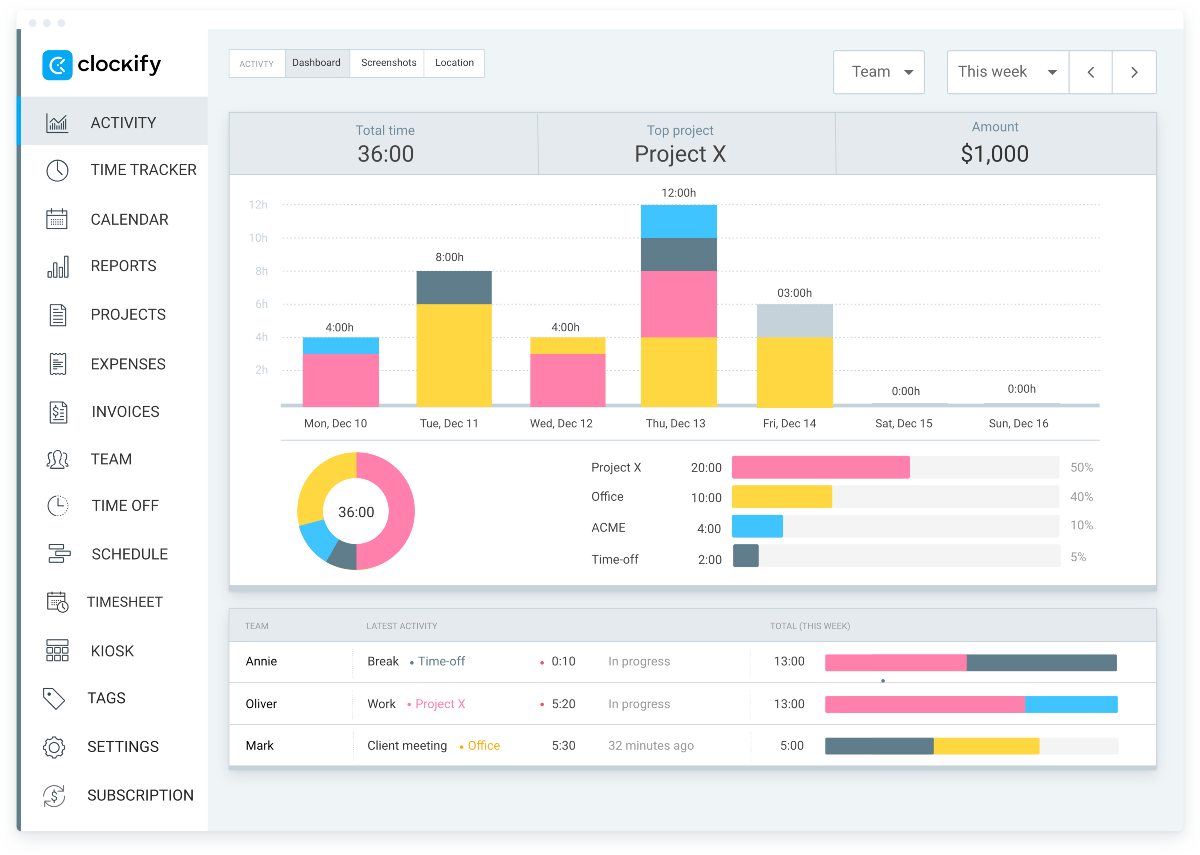
Aside from keeping track of employees’ time, Clockify lets you:
- Log your weekly activities through timesheets,
- Track expenses and billable hours,
- Block out activities through your calendar, and
- Create various policies for your employees.
Make sure everyone fits in, does their job, and takes your company to another level of excellence.
Disclaimer
We hope that the information we’ve provided in this ‘ban the box’ state guide has been useful. If you have any additional questions, feel free to use the official links we’ve added throughout the article.
Please note that this guide was updated and checked in Q1 2025, so any upcoming changes may not be included in this guide.
We strongly advise contacting the relevant institutions and/or certified representatives before pursuing any legal actions.
Clockify is not responsible for any losses or risks incurred should this guide be used without further guidance from legal or tax advisors.
How we reviewed this post: Our writers & editors monitor the posts and update them when new information becomes available, to keep them fresh and relevant.